
Reviews
Motorola Razr+ (2025) Review: Is This the Best Mid-Tier Foldable You Can Buy?
When it comes to foldable smartphones, few names spark as much nostalgia and curiosity as Motorola. With the Motorola Razr+ (2025), the company doubles down on its modern take of the legendary flip phone. While not a massive leap forward compared to its 2024 predecessor, the Razr+ remains a fun, stylish, and surprisingly capable device that competes well in today’s increasingly crowded foldable market.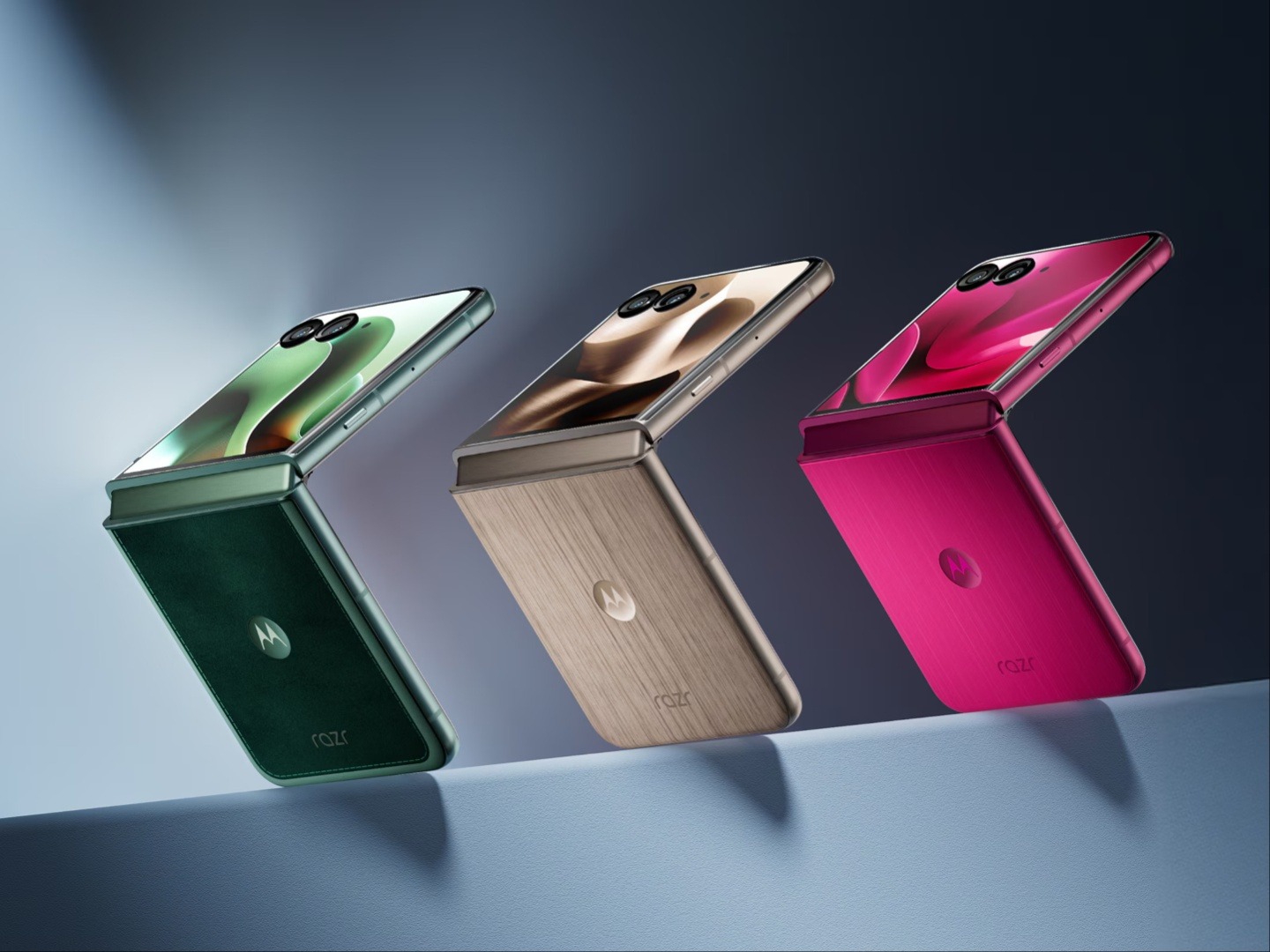
As a long-time smartphone enthusiast and reviewer at TaoThich Review, I’ve had hands-on time with dozens of foldables. The Razr+ left me with mixed impressions: it’s sleek, well-built, and cleverly designed, but it also feels like Motorola is playing it safe with some hardware choices. Let’s break down what you can expect from the new Razr+.
Mục lục bài viết
- Design: Familiar, Refined, and Pocket-Friendly
- Displays: Outer Screen Still Shines
- Performance: Reliable, but Not Revolutionary
- Cameras: Good, Not Pixel-Level Great
- Battery Life: A Step Backward
- Software and AI: Clean but Limited
- Connectivity and Audio: Solid Basics
- Competition: Where the Razr+ Fits
- Verdict: Should You Buy the Motorola Razr+?
- Final Thoughts
Design: Familiar, Refined, and Pocket-Friendly
The Motorola Razr+ carries over much of the design language from the 2024 model. When folded, it measures 3.47 by 2.91 by 0.60 inches and weighs 6.67 ounces. That puts it right in line with Samsung’s Galaxy Z Flip 7, though Motorola’s device feels slightly more substantial thanks to its vegan leather finish on the back.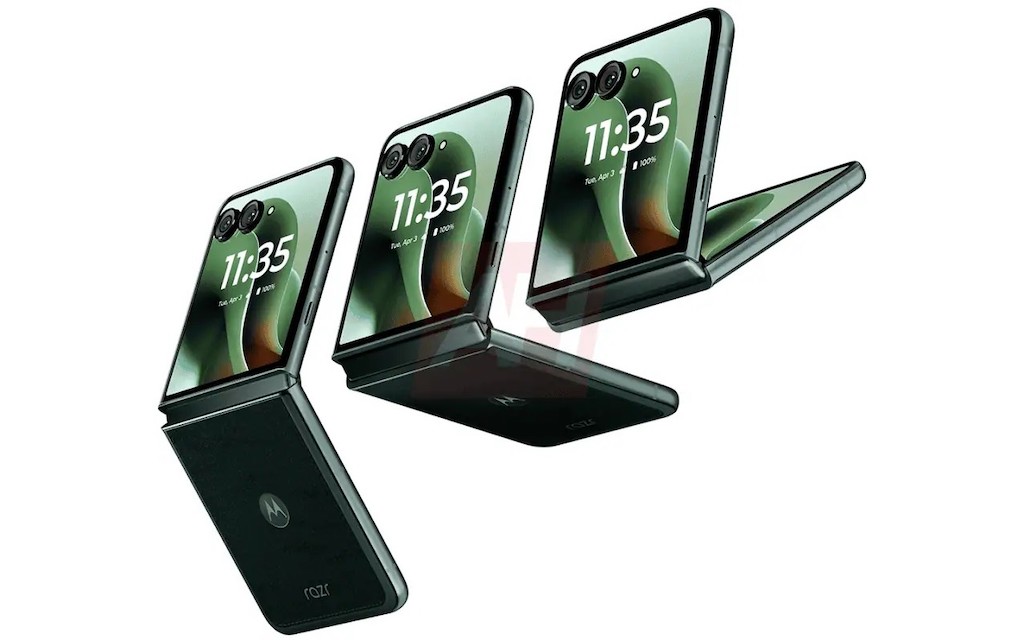
The aluminum frame feels premium, the titanium hinge is sturdy, and Motorola claims it can withstand at least 200,000 folds—enough for years of use. Available in Hot Pink, Midnight Blue, and Mocha Mousse, the Razr+ is unapologetically stylish. I tested the Mocha Mousse version, and while it looks sophisticated, the vegan leather does tend to pick up dust and lint.
What I loved most was how well it fit into everyday life. Folded, the Razr+ slips easily into any pocket. Unfolded, it delivers a large 6.9-inch canvas for browsing, streaming, or working. The hinge is smooth, stable at multiple angles, and makes the Razr+ a joy to use for hands-free video calls.
Water and dust resistance get an IP48 rating, the same as Samsung’s foldable. While that doesn’t make it a rugged device, it offers reassurance against accidental splashes or dust exposure.
Displays: Outer Screen Still Shines
Motorola’s decision to let the Razr+’s external display run full Android apps remains a key differentiator. At 4 inches, with a 1,272 x 1,080 resolution and 165Hz refresh rate, the panel is sharp, vibrant, and remarkably useful. Whether you’re replying to texts, checking maps, or scrolling social feeds, you don’t always need to unfold the device.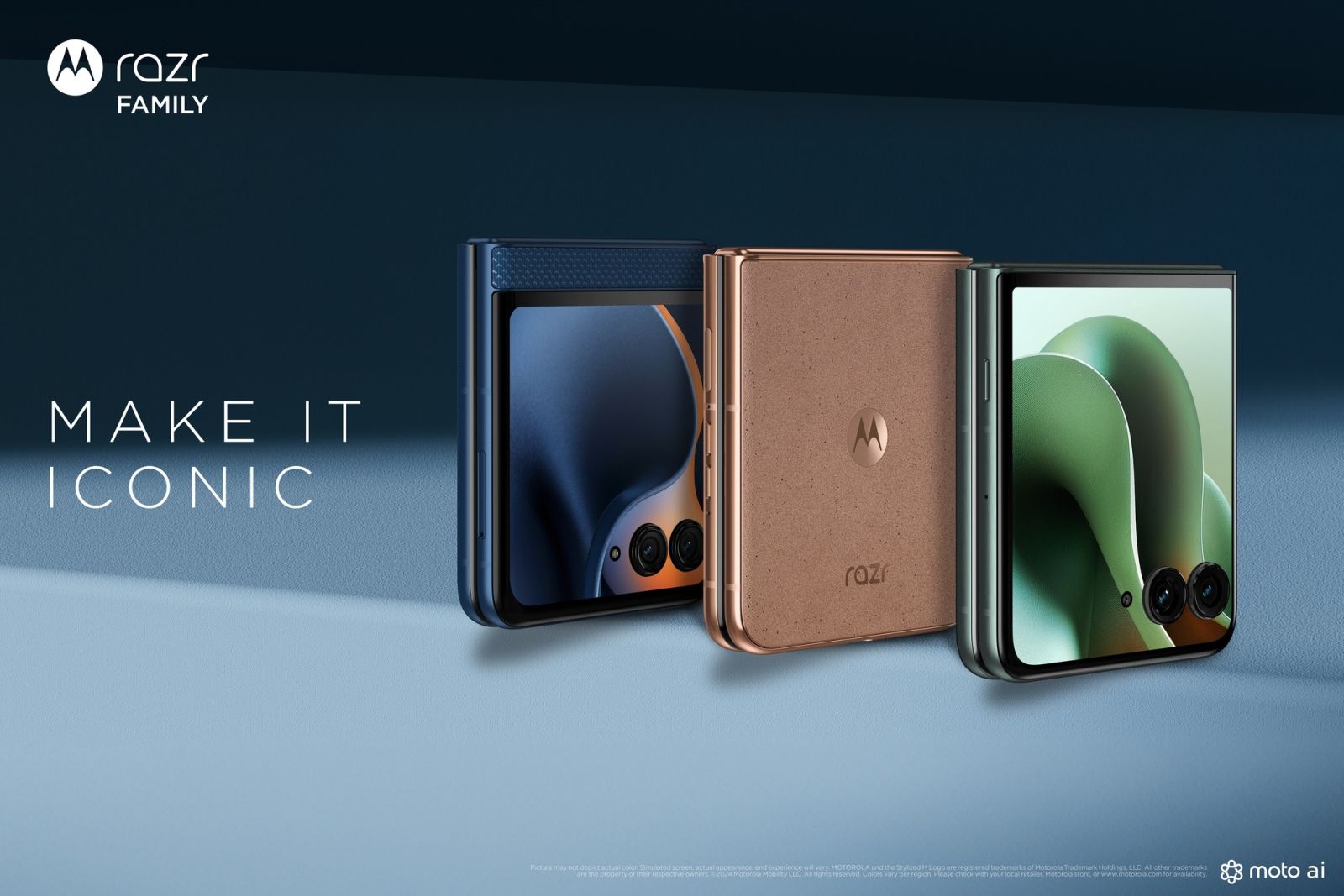
The inner 6.9-inch pOLED screen has the same 2,640 x 1,080 resolution as last year’s model, with a blazing-fast 165Hz refresh rate. Colors are rich, blacks are deep, and the brightness peaks at 3,000 nits—more than enough for outdoor visibility. Yes, the crease is still there, but like other modern foldables, it fades into the background quickly during everyday use.
Compared to the pricier Razr Ultra, which boasts a 7-inch panel with higher resolution and 4,500 nits peak brightness, the Razr+ lands comfortably in the middle. For most users, the experience is still excellent.
Performance: Reliable, but Not Revolutionary
Here’s where the Motorola Razr+ starts to feel conservative. It runs on the Snapdragon 8s Gen 3 processor with 12GB of RAM and 256GB of storage—the exact same setup as last year. Performance is smooth for everyday tasks, but benchmark numbers show little progress.
- Geekbench 6 single-core: 1,881
- Geekbench 6 multi-core: 4,658
- GFXBench Aztec Ruins: 36fps
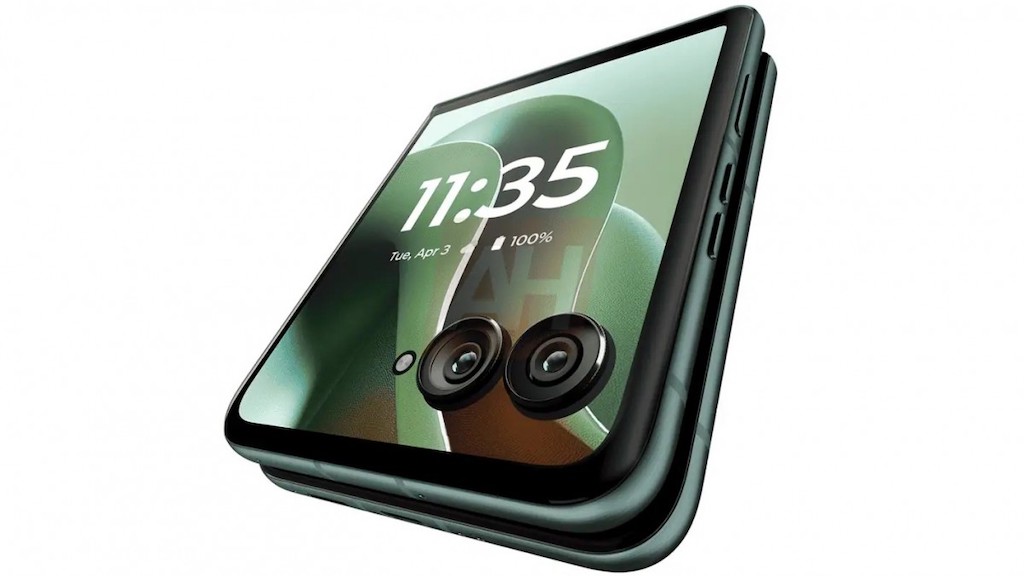
In daily use, I was able to multitask between messaging, browsing, and media playback without issue. High-end games like Genshin Impact are playable, though not at the buttery frame rates you’ll find on the Galaxy Z Flip 7 or Razr Ultra. The phone does heat up during extended sessions, but never uncomfortably so.
If you’re upgrading from the 2024 Razr+, you won’t notice much speed improvement. But if you’re new to foldables, the Razr+ still feels more than capable.
Cameras: Good, Not Pixel-Level Great
The Motorola Razr+ comes with a dual 50MP camera setup—one main wide lens with optical stabilization and one telephoto lens. Inside, there’s a 32MP selfie shooter. Images are decent in bright light, with natural colors and reasonable sharpness, but zoomed-in shots show a noticeable drop in detail.
Low-light performance is just average. While Motorola has included AI tools like Magic Eraser, Blur, and Unblur, they don’t fully compensate for the weaker image sensor performance compared to rivals. For video, you get 4K at 60fps, and slow-motion options at up to 960fps in HD.
If photography is your top priority, the Google Pixel 9 Pro or Samsung Galaxy S24 Ultra remain better choices at similar price points. That said, the Razr+’s ability to use its main camera for selfies (thanks to the outer screen as a viewfinder) is a perk I used often.
Battery Life: A Step Backward
Here’s the most disappointing aspect of the Razr+. Despite carrying the same 4,000mAh battery as last year, endurance has actually dropped. In video playback testing at full brightness, the Razr+ lasted just under 13 hours—down from 14.5 hours previously. By comparison, the cheaper Razr managed over 21 hours, and the Ultra crossed the 22-hour mark.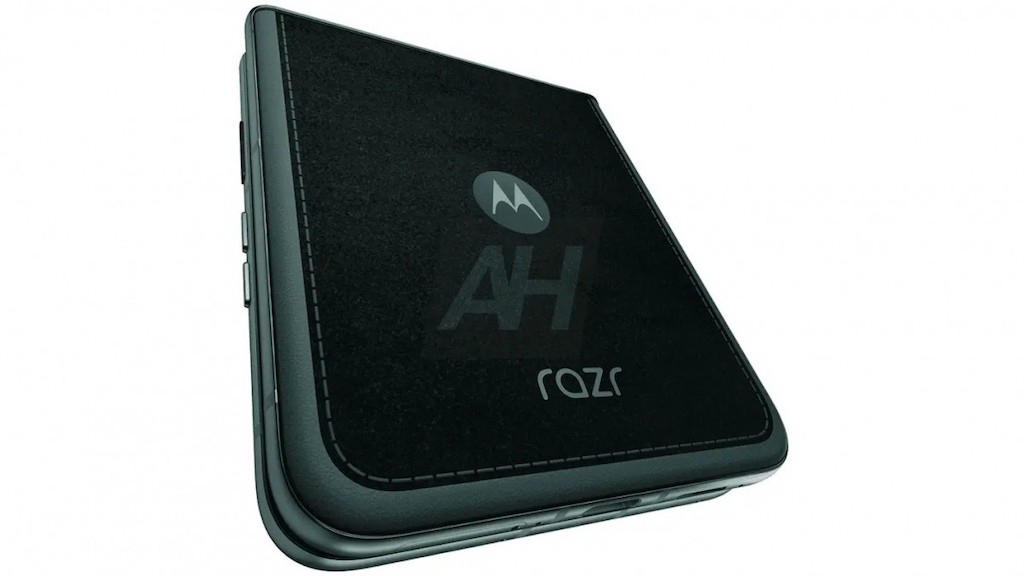
Charging is reasonably fast: 45W wired, 15W wireless, and 5W reverse charging for accessories. Unfortunately, there’s no charger included in the box, and with an 18W charger, a full charge took over two hours. For road warriors or heavy media users, the shorter battery life will be a concern.
Software and AI: Clean but Limited
Running Android 15, the Razr+ delivers Motorola’s clean and minimalist software experience. Navigation is intuitive, bloatware is minimal, and customization options are straightforward. The ability to run almost all apps on the outer display is a huge win compared to Samsung’s more restricted approach.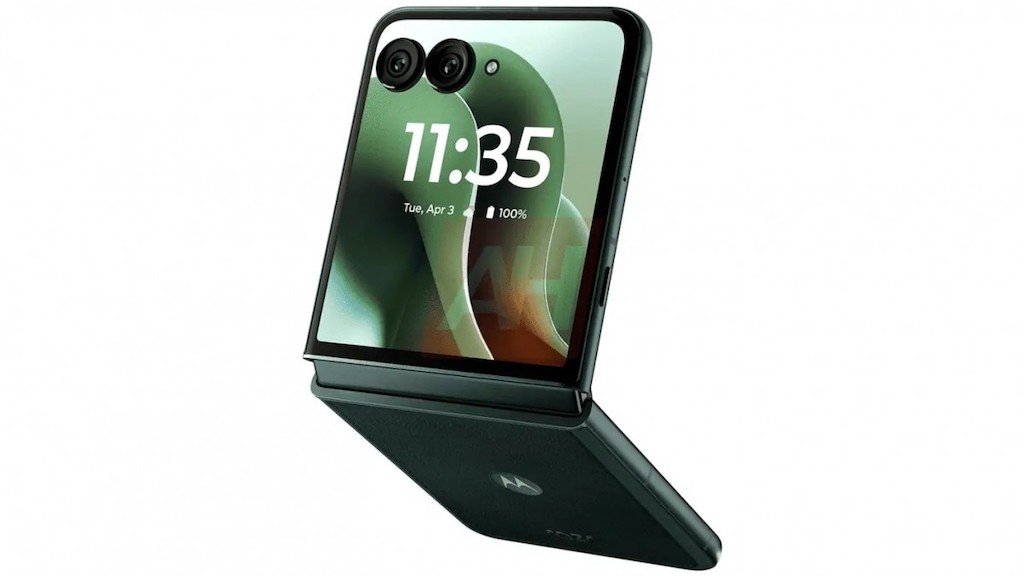
Motorola adds a handful of AI-powered features, such as Image Studio for AI art generation, Playlist Studio for mood-based music, and Catch Me Up for quick summaries of notifications. They work as intended, but they aren’t groundbreaking. Samsung’s Gemini AI integration remains more advanced.
The biggest drawback? Software support. Motorola promises just three years of OS updates and four years of security patches—half the lifespan that Samsung and Google now offer. For a $1,000 phone, that feels inadequate.
Connectivity and Audio: Solid Basics
The Motorola Razr+ supports sub-6GHz 5G, Wi-Fi 7, NFC, and Bluetooth 5.4. It skips mmWave 5G, which is still niche but useful for certain U.S. markets. On T-Mobile’s network, speeds were respectable, hitting over 110Mbps downloads.
Call quality is crisp, and the stereo speakers are surprisingly loud, reaching nearly 88dB. Music playback offers decent bass, but for the best experience, you’ll still want wireless headphones or a speaker.
Competition: Where the Razr+ Fits
At $999.99, the Motorola Razr+ sits squarely between the entry-level Razr ($699.99) and the Razr Ultra ($1,299.99). The Galaxy Z Flip 7, meanwhile, costs $1,099.99. Here’s how they compare:
- Razr ($699.99): Slightly smaller outer screen, weaker performance, but far better battery life.
- Razr Ultra ($1,299.99): Larger, brighter display, newer Snapdragon 8 Elite, better cameras, but heavier.
- Galaxy Z Flip 7 ($1,099.99): Stronger AI features, longer software support, slightly better cameras, but smaller outer display.
The Razr+ is the “Goldilocks” option: more polished than the entry-level Razr, but cheaper than the Ultra. Still, with the Galaxy Z Flip 7 offering stronger long-term value, Motorola faces stiff competition.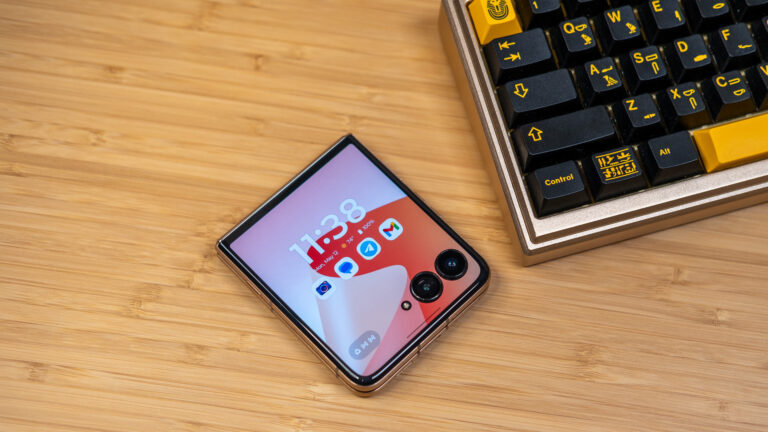
Verdict: Should You Buy the Motorola Razr+?
The Motorola Razr+ isn’t a revolutionary update, but it’s still one of the most fun foldables to use in 2025. Its biggest strengths are its stylish design, highly functional outer display, smooth performance, and clean software experience. Its biggest weaknesses are mediocre battery life, average cameras, and short software support.
For $1,000, it’s hard not to look at the Galaxy Z Flip 7 or even the cheaper base Razr as alternatives. But if you love Motorola’s design philosophy and want a foldable that stands out, the Razr+ delivers a satisfying balance.
As I mentioned earlier, here at TaoThich Review, we always weigh design, performance, and long-term value. The Razr+ scores high for design and usability, but lags behind in staying power. It’s a phone that will delight style-conscious users who want the practicality of a foldable without paying Ultra-level prices.
Final Thoughts
- Buy it if: You want a stylish, pocket-friendly foldable with a fully usable outer screen.
- Skip it if: You need all-day battery life, top-tier cameras, or long-term software updates.
The Motorola Razr+ (2025) proves that sometimes small refinements are enough to keep a product competitive—but also highlights how quickly the foldable market is evolving.
Word count: ~1,930